
The importance of install over flow holes in internal guttering
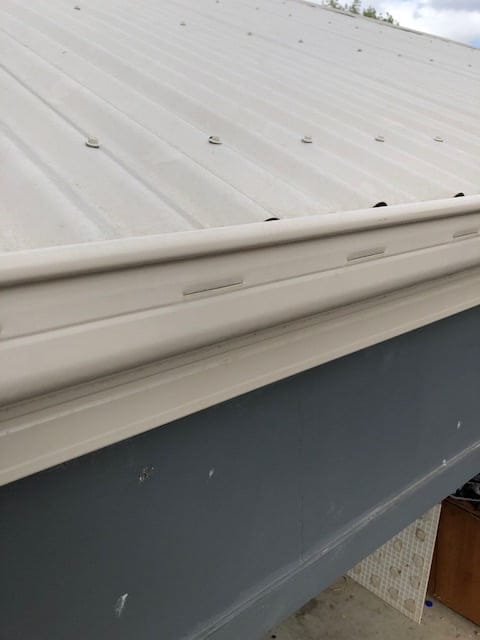
1. Prevents Water Damage: Overflow holes help to prevent water from backing up and overflowing into your property during heavy rain or blockages in the gutter system. Without overflow holes, excess water can cause damage to your roof, walls, ceilings, and foundation, leading to costly repairs.
2. Protects Against Flooding: Inadequate drainage in the guttering system can result in water pooling on your roof or overflowing into the building, causing indoor flooding and water damage. Overflow holes allow excess water to escape, reducing the risk of flooding and water intrusion.
3. Prevents Gutter Damage: Without overflow holes, gutters can become overloaded with water, debris, and ice, leading to sagging, damage, or detachment from the roof. Overflow holes help to relieve the pressure and weight on the guttering system, prolonging its lifespan and functionality.
4. Maintains Structural Integrity: Properly functioning overflow holes ensure that water is directed away from the building’s foundation, preventing erosion, soil displacement, and structural damage. This helps to maintain the integrity of the property and prevent long-term issues related to water infiltration.
5. Promotes Proper Drainage: Overflow holes ensure that water is efficiently drained from the roof and gutter system, preventing standing water, ice dams, and blockages that can impede water flow. This helps to maintain the efficiency of the guttering system and prevent water-related issues.
In conclusion, installing overflow holes in internal guttering is crucial for maintaining the effectiveness of the drainage system, preventing water damage, protecting your property, and ensuring proper water flow. It is important to regularly inspect and clean overflow holes to ensure they remain clear and functional.